Complete Guide to selecting the best assisted living community
Senior Living: Adopting a Energetic Living Experience
Today's elderly care represents a shift towards a more lively lifestyle. It combines comfort with opportunities for community engagement and personal growth. Thoughtfully designed spaces promote self-reliance while fostering community connections. Health and wellness programs play an vital role, as do engaging pursuits that encourage friendships. What elements truly add to this enriching journey? Examining these dimensions reveals how modern senior living can greatly improve the standard of living see the facts for seniors.
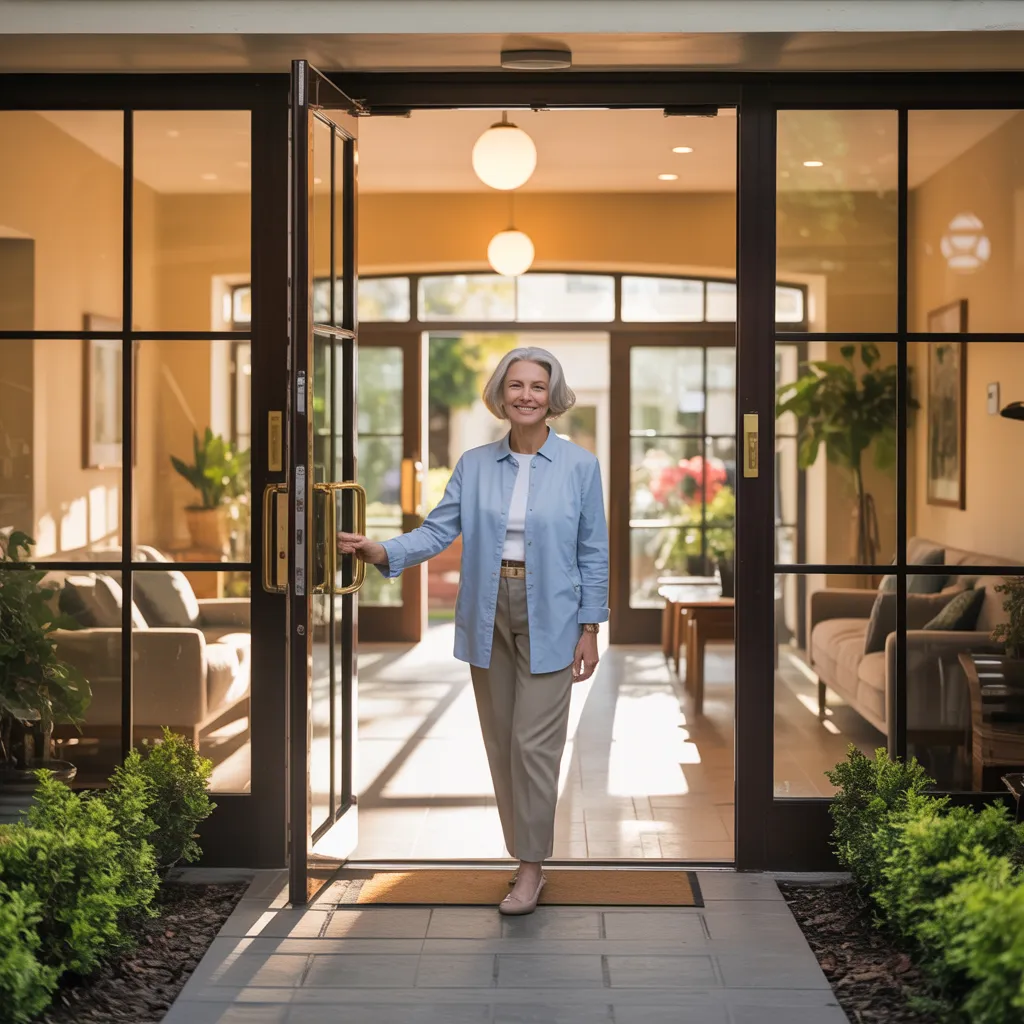
What Modern Senior Living Looks Like
Today's senior living has matured substantially, embodying a synthesis of comfort and community. Present-day facilities champion aesthetics and functionality, introducing well-designed apartments that fulfill the needs of older adults. Open floor plans, natural light, and accessible features maximize the living experience, establishing a sense of independence.
Community spaces serve a fundamental need, offering shared areas for social activities, dining, and wellness programs. Many senior living environments include gardens, walking paths, and recreational facilities, urging residents to connect with nature and foster an active lifestyle.
In addition, technological incorporation has become prominent, supplying residents with solutions for communication, entertainment, and safety. Smart home features and emergency response systems strengthen security while cultivating autonomy.
Health and Vitality in Senior Living
Health and well-being are frequently prioritized in senior living environments, reflecting a holistic approach to aging. These communities regularly integrate various health services, including routine medical check-ups, nutritional counseling, and fitness programs designed to the needs of older adults. By fostering a nurturing atmosphere, residents are motivated to take charge of their health through preventive measures and lifestyle adjustments.
Mental wellness is equally prioritized, with support systems such as therapy and cognitive activities intended to maintain mental engagement. A number of facilities also advance social well-being by offering wellness workshops, mindfulness classes, and outdoor access, all of which contribute to a wholesome lifestyle. In addition, the priority on individualized care plans makes certain that every resident obtains care that corresponds with their personal health objectives. Overall, these initiatives aim to enhance the quality of life, empowering seniors to thrive in their later years.
Activities That Cultivate Connections
By fostering a sense of community, connection-building activities in senior living environments serve as an essential element in enhancing residents' social engagement. Taking part in collective activities such as art classes, gardening clubs, and game nights encourages interaction and companionship among residents. These collective moments diminish social barriers and establish a supportive community.
Furthermore, planned excursions, like trips to local theaters or nature parks, offer opportunities for residents to bond over shared passions and experiences beyond the facility. Regular social events, including potluck dinners and holiday celebrations, further enhance relationships through group involvement.
In addition, volunteer experiences within the community can nurture a sense of mission while joining residents with one another and the broader community. Overall, these events not only strengthen residents' lives but also contribute to a vibrant and interconnected living environment.
Never-Ending Knowledge Acquisition for Seniors
Aging adults benefit greatly from exploring new ideas and perspectives, which can improve their quality of life. Workshops and lectures commonly feature guest speakers, creating a vibrant atmosphere where residents can ask questions and share insights. Additionally, online courses ensure flexibility, allowing seniors to learn at their own pace.
Why Community Nurtures Senior Happiness
As individuals advance in years, the connection to others to a community can greatly enhance their overall happiness. Connecting with community members fosters valuable relationships, which are essential for emotional well-being. Communities provide chances for social interaction, reducing feelings of loneliness and isolation that often accompany aging. Regular participation in group activities—such as classes, outings, or group meals—encourages older people to build friendships, relay experiences, and support one another.
Moreover, a vibrant community often fosters a sense of purpose. When seniors contribute their skills and knowledge, they feel valued and engaged, additionally enhancing their confidence. Availability of services, such as medical care and recreational facilities, within a community can also improve their standard of living.
In the final analysis, a substantial community ties not only promotes joy but can also lead to healthier and more gratifying lives for seniors, enabling them to embrace their golden years with zest and satisfaction.
Regularly Asked Questions
What Are the Cost of Living in Senior Living Facilities?
Charges tied to senior living facilities could contain monthly rent, utility fees, care services, meal plans, and additional amenities. Financial considerations shift notably based on location, facility type, and level of care required.
What's the Right Approach to Determine the Right Senior Living Community?
Finding the ideal senior living community necessitates evaluating personal needs, visiting potential facilities, assessing services offered, considering location, and reviewing costs. Engaging with current residents can provide valuable insights into the atmosphere of the community and quality of life.
What Categories of Residential Arrangements Can You Find in Senior Living?
Different types of housing choices available in senior living encompass independent apartments, assisted living units, memory care suites, and skilled nursing facilities. Each choice addresses various needs, ensuring residents discover an appropriate environment for their lifestyle and health requirements.
Are Animals Welcome in Senior Living Communities?
Retirement living facilities frequently allow pets, recognizing their constructive influence on residents' well-being. Rules differ, however, with some organizations instituting size or breed restrictions and necessitating pet deposits to secure a serene setting.
In What Ways Can Loved Ones Maintain Connection in a Older Adult's Life?
Family members can stay connected in a senior's life by arranging frequent check-ins, participating in activities together, communicating frequently through calls or messages, and helping with technology to maintain connections and share experiences effectively.